When people claim St. Barts is “one of the most beautiful islands in the world,” skepticism feels justified. Every Caribbean destination gets that treatment. But this 8-square-mile French island genuinely delivers on the promise – just not in the ways most travel guides explain.
The landscape actually matters
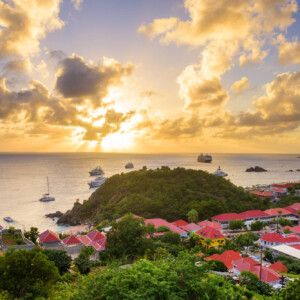
The volcanic origins create sudden hills and hidden coves that appear around every curve. Drive the island’s perimeter in 40 minutes (if stopping for photos wasn’t mandatory), and the dramatic topography becomes obvious. Residential areas suddenly open to viewpoints overlooking pristine beaches that look untouched despite being easily accessible.
Twenty-two beaches, twenty-two personalities
St. Jean delivers that classic postcard Caribbean look – impossibly clear water, powder-white sand, excellent snorkeling right off the shore. Popular without feeling crowded, it’s ideal for spending entire afternoons floating and watching fish.
Shell Beach surprises everyone. The “sand” consists of millions of tiny shells that crunch underfoot but remain comfortable. The beach bar and sunset views create an irresistible combination that draws repeat visits.
Flamands attracts surfers with better waves and longer stretches of sand. Less crowded despite being among the island’s finest, it’s perfect for walking off indulgent lunches.
Related : The best spots for paddleboarding in St Barts and St Martin
Hidden features nobody discusses
Natural tide pools formed by volcanic rock offer something special – calm, warm swimming spots while waves crash just beyond the rocks. Finding one near Toiny and spending hours there feels meditative rather than touristy.
The Colombier Beach trail takes about 30 minutes and delivers hikers to a completely empty beach accessible only by foot or boat. The mild effort pays off dramatically.
Why the premium price tag makes sense
Deliberate development limits
No mega-resorts exist here. No all-inclusive compounds with hundreds of rooms. Small hotels and private villas dominate, meaning even January (peak season) never feels overwhelmingly crowded. Strict building codes preventing tall structures and controlling development maintain the island’s character.
Accommodation quality
Smaller hotels provide genuine attention to detail – fresh flowers daily, quality espresso machines, staff who remember names and actually care. Private villas offer another level entirely, with amenities like infinity pools, outdoor showers, and stocked kitchens featuring local products. Splitting costs between couples makes luxury surprisingly accessible.
The food scene
French territory means chefs trained in France working with Caribbean ingredients. Random beach shacks serve fresh-caught tuna grilled simply with local vegetables that rival expensive restaurant meals. Beachfront dining with waves lapping at tables creates unforgettable experiences, even if prices reflect the quality.
Activities beyond beaches
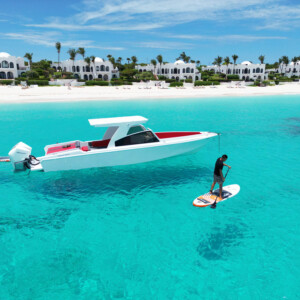
Grand Cul-de-Sac’s shallow, calm waters make paddleboarding perfect for beginners, while experienced kitesurfers find ideal conditions. Day boat trips reveal hidden coves and tiny beaches inaccessible otherwise, especially when captains share decades of local knowledge.
Small art galleries and history museums provide rainy-day alternatives that actually prove interesting rather than obligatory.
Planning successfully
Timing strategy
December through April offers perfect weather and full availability at peak prices. Late November provides ideal conditions with fewer crowds and better rates. Avoid September-October’s hurricane risk entirely. May through early November brings warmth and occasional rain but significant savings for flexible travelers.
The legendary landing
Gustaf III Airport’s approach over hills to an absurdly short runway creates genuine thrills. Connecting through St. Maarten via 10-minute prop plane or scenic ferry adds to the adventure rather than feeling like an inconvenience.
Budget reality
Expenses run high – nice restaurant meals easily exceed $100 per person, luxury villas command thousands nightly during peak season. However, strategic choices make it manageable: smaller hotels instead of top resorts, occasional picnic lunches from markets, compact car rentals instead of hired drivers.
Advance booking essential
Limited accommodations mean popular places sell out months ahead for peak season. Last-minute planning severely restricts options or forces expensive compromises.
The verdict
St. Barts succeeds because it never tries too hard. Natural beauty remains genuinely natural, talented chefs create incredible food without gimmicks, and the entire island simply works. Not for everyone – party seekers and all-inclusive resort fans should look elsewhere. But for those wanting stunning beaches, excellent cuisine, and space to genuinely relax, few destinations compare.