So we’ve done the Anguilla boat charter thing twice now. First time? Total mess. We had no real plan, missed half the good spots, and spent way too much time just floating around wondering where to go next. Second time though? Absolutely nailed it. Here’s everything we figured out about squeezing the most out of a quick weekend on the water.
Why Anguilla hits different
Here’s the thing about Anguilla – it flies completely under the radar compared to places like St. Martin or the BVIs. The big cruise ships don’t dock at the island directly; instead, they anchor offshore and tender passengers to shore. Most people who do visit just hole up at one of those ultra-luxury resorts and never leave the property. Which means all the really cool stuff – those little uninhabited islands scattered offshore – stay blissfully empty.
Day one: getting your bearings
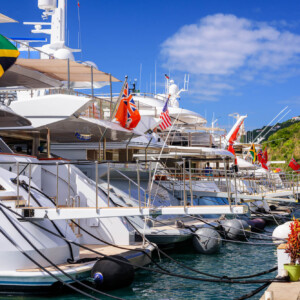
Leaving Sandy Ground (and why 9 AM is the sweet spot)
Trust me on this – aim to get out of Sandy Ground harbor around 9 in the morning. Leave earlier and you’re stress-eating breakfast just to make some arbitrary departure time. Leave later and you’ll be fighting for space with all the day-trippers coming over from St. Martin.
Sandy Ground has this super chill morning energy. Local fishing boats heading out, charter crews doing their pre-flight checks, everyone moving at Caribbean pace. You can just feel that it’s going to be a good day.
Random fact our captain dropped: Anguilla somehow has more than 100 restaurants crammed into 35 square miles. Seems impossible, right? But once you’re out there visiting these tiny islands where people are obsessed with food, it starts making sense.
Related : How to Get to Sandy Island (Anguilla) by Boat
Sandy Island: tiny but mighty
First time we pulled up to Sandy Island, I’ll admit I was a little disappointed. The whole “island” is basically a sandbar with some palm trees. You can literally walk the perimeter in under ten minutes – we actually did this because we’re weird like that.
But then we stayed for three hours. That’s the magic of it – there’s nowhere to be, nothing to do, no agenda whatsoever. Just one little beach bar, some chairs under palapas, and water so ridiculously turquoise it looks photoshopped.
The restaurant situation threw us off at first. No menu, just “what do you feel like eating?” Which sounds vague but actually rules. We said we wanted lobster and they grilled up the best one we’ve had anywhere. Those conch fritters? Still dream about them.
Prickly Pear: the main event
After Sandy Island, we motored about six miles north to Prickly Pear Cays. This is where the day really leveled up. The restaurant is open seven days a week despite some earlier information we found that said Tuesday through Sunday, 11 to 4. We recommend emailing info@pricklypearanguilla.com ahead of time for a table reservation to avoid waiting around.
Prickly Pear is actually two separate islands. West side is completely wild, just seabirds and iguanas doing their thing. East side has the restaurant and what might be the most perfect beach in the Caribbean. The sand is so white it actually hurts your eyes, and the water gradient from turquoise to deep blue is insane.
Apparently, their sautéed potatoes have achieved legendary status. Sounded like hype, but nope – genuinely that good.
Meads Bay at sunset
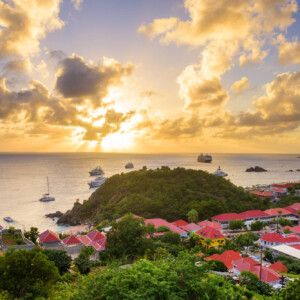
By late afternoon we were pleasantly exhausted. Our captain suggested posting up at Meads Bay for sunset, which turned out to be brilliant. Super calm water, great for a final swim, and the sunset show was spectacular. We just floated there with cold drinks watching the whole sky catch fire.
Day two: the deep cuts
Little Bay (boat required)
Little Bay is one of those spots that keeps casual tourists away because you can only get there by boat or by scrambling down some genuinely dangerous cliff paths. We went with the boat option, obviously.
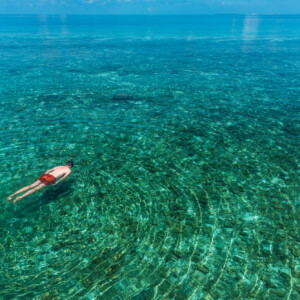
It’s tucked under these dramatic cliffs on Anguilla’s north coast, and when you first round the corner and see it, you get why people make the effort. The beach is maybe 50 yards long, total, but it’s protected from waves and currents, which makes it perfect for snorkeling.
We spotted three sea turtles in about 20 minutes. Captain said that’s pretty standard for this spot, which is wild. There’s also a rock outcrop people jump from – looks scary but it’s only about 15 feet. Our captain checked the depth first, which you should definitely do before attempting anything like that.
Back to Prickly Pear for the good snorkeling
We hit Prickly Pear again on day two specifically for the underwater stuff. The cays have incredible marine life – parrot fish everywhere, stingrays gliding along the bottom, lobsters hiding in coral crevices, angelfish doing their thing. Visibility was crazy good, probably 80 feet or more.
Captain pointed out some nurse sharks chilling on the sandy bottom. They look mean but they’re completely harmless unless you actively harass them, which, don’t. The coral here seems way healthier than other Caribbean spots we’ve snorkeled.
Dog Island: properly remote
Dog Island is legitimately remote. Seven different beaches stretched across two miles of completely uninhabited coastline. Zero infrastructure, zero other people, just raw island. The overall description is accurate although the exact number of beaches is not independently confirmed, but the island is around 207 hectares, with multiple sandy beaches.
We spent a couple hours just exploring and swimming. The island has these salt ponds in the interior that attract interesting bird species we’d never seen before. It’s one of those rare places that makes you feel very small in a good way.
Scrub Island: final stop
Last snorkel of the trip was at Scrub Island. Different vibe from Prickly Pear – more varied coral and the fish seemed wilder, less accustomed to swimmers. We saw a small reef shark cruising by, which was a first for both of us and absolutely made our day.
What we learned the hard way
Picking a charter company
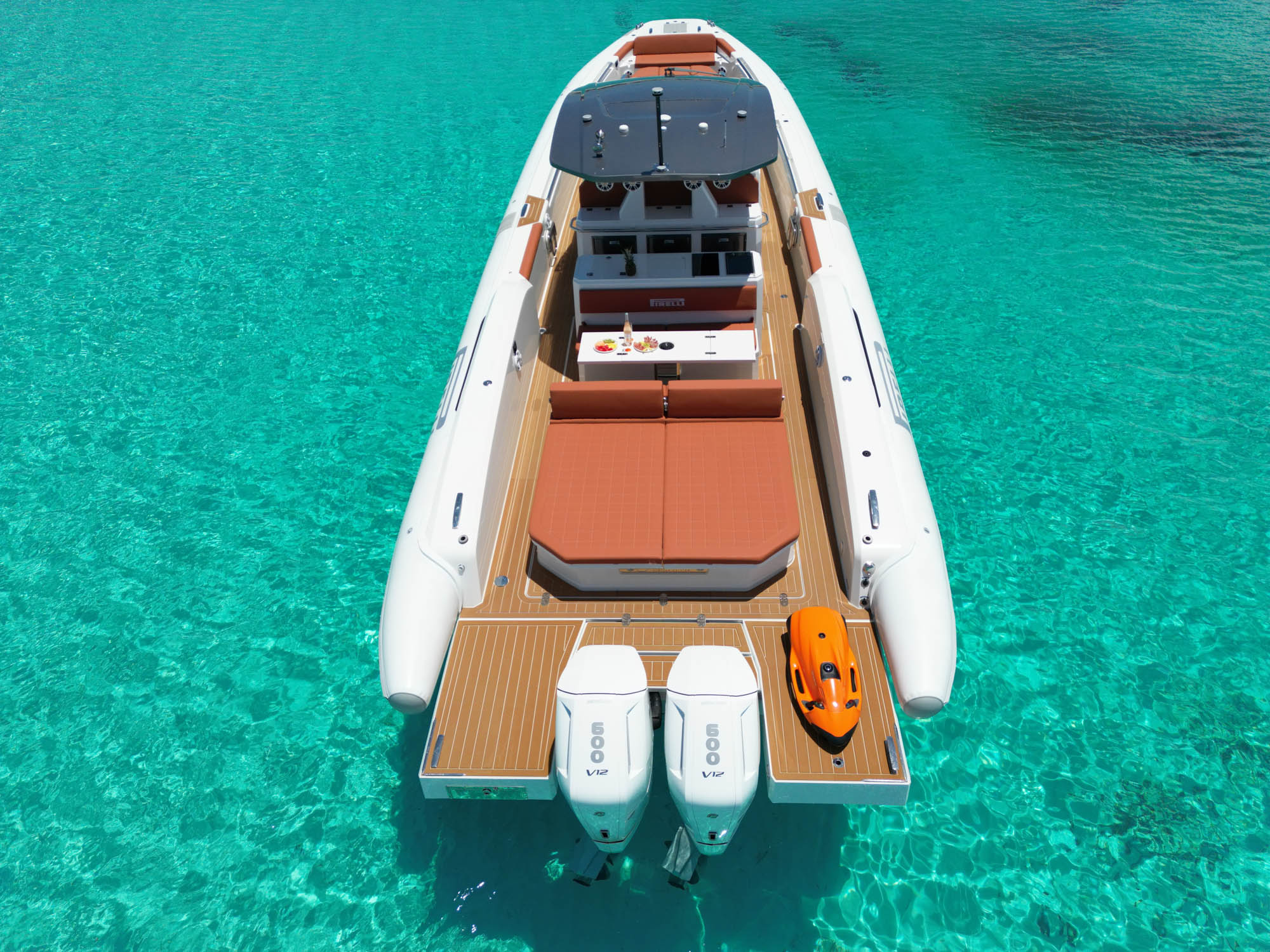
Don’t get obsessed with boat specs and features. What actually matters is having a captain who really knows these waters and can adjust plans on the fly based on weather and conditions. Look for operators advertising customizable itineraries and local crews who grew up on these islands.
The best experiences came from captains who could tell stories about the places we were visiting – not just the tourist script stuff, but real local knowledge.
Timing your trip
Yeah, hurricane season peaks in September, but we’ve had excellent trips in July and August. The trade winds keep things from getting oppressively hot, and there’s something nice about even fewer people around during the “shoulder season.” However, July and August are still technically part of hurricane season, with increased rainfall, so caution and flexibility are advised. December through April is peak season for legitimate reasons – weather’s usually ideal, seas are calm. But you’ll pay premium prices and share the popular spots with more boats.
Random practical stuff
Bring actual cash. These island restaurants often can’t take cards, and you’ll definitely want to tip your captain and crew generously if they’ve shown you an amazing time.
Use reef-safe sunscreen – seriously. The sun bouncing off the water will fry you way faster than you expect. A waterproof phone case is handy for photos, but honestly? Sometimes just leave the phone in the bag and actually experience things.
Pack some snacks and extra water. Most charters include drinks, but you’ll get hungry between meal stops from all the swimming and snorkeling.
Why bother?
Look, Caribbean beaches are everywhere. You can do the all-inclusive thing, join a booze cruise with 60 strangers, or just post up at a resort pool. All fine options.
But actually spending two days exploring Anguilla’s offshore islands by boat – hitting spots that don’t make the standard tourist circuit – that’s legitimately different. These aren’t just postcard-pretty beaches (though they absolutely are that). These are places where you can float in bathwater-warm crystal water, eat lunch on a tiny island with locals who remember your name, and go hours without seeing another tourist.
In an era where “authentic travel” has become marketing speak, these Anguillan cays still feel like an actual secret. We’re already planning trip number three. That should tell you everything.